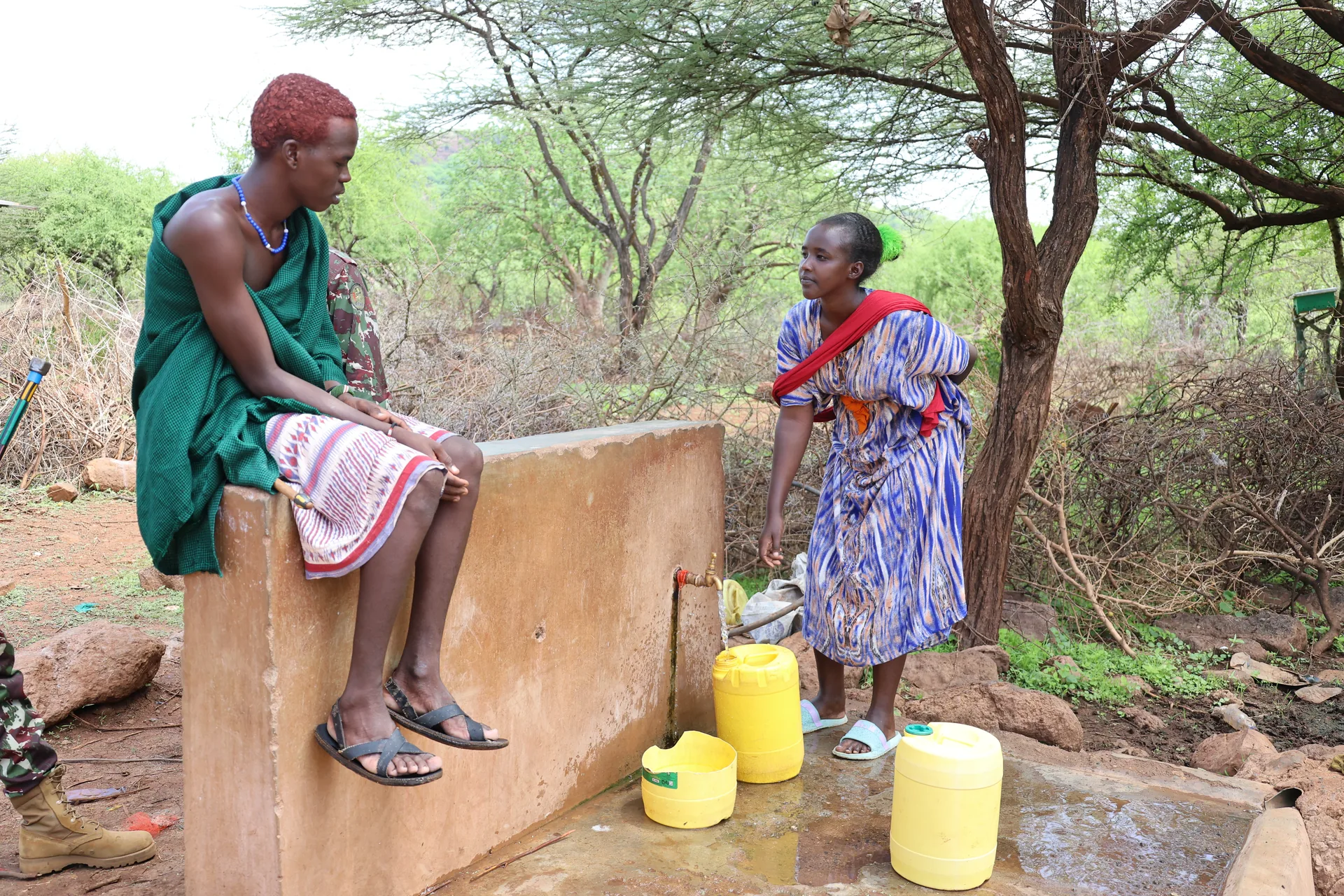
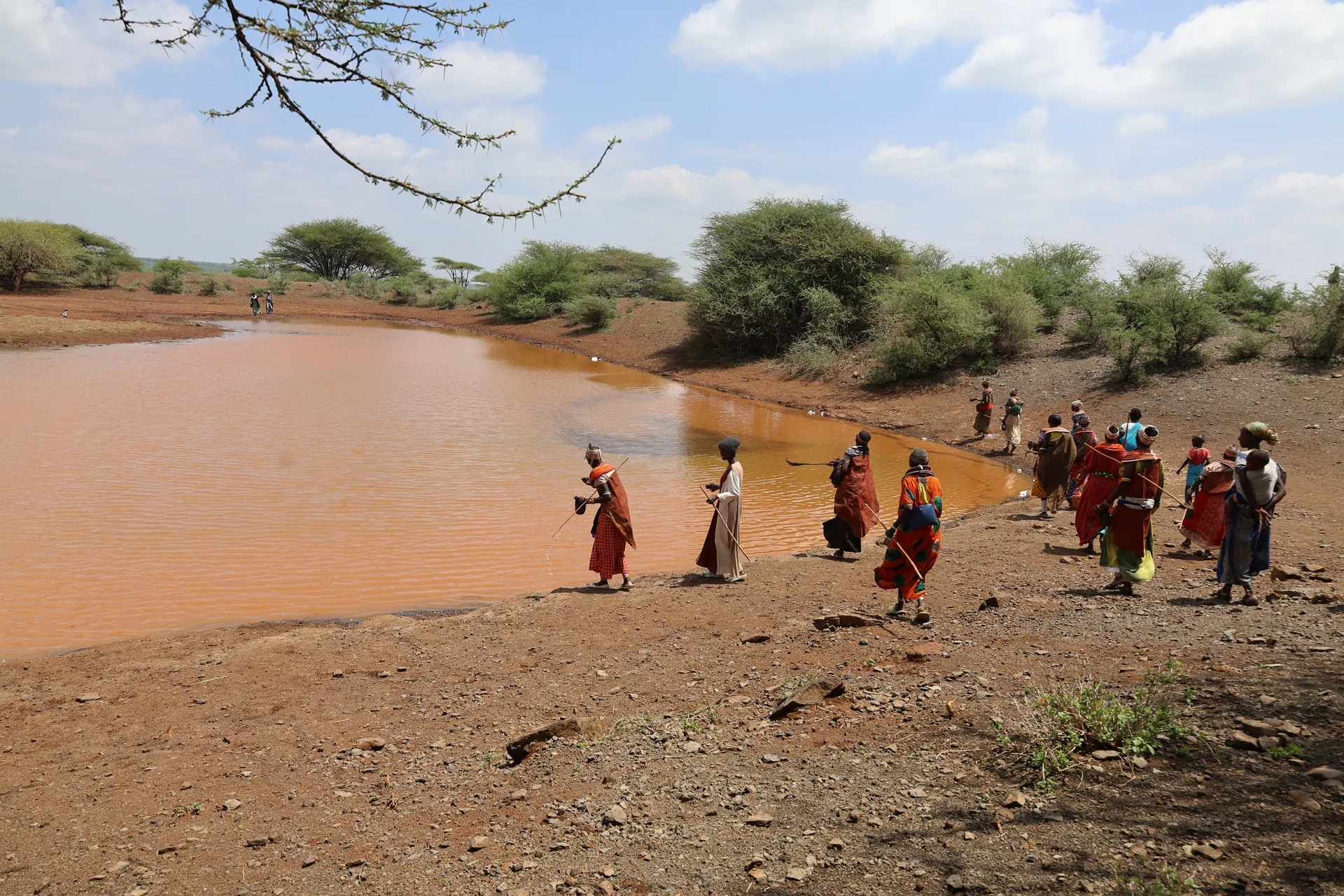
Kenya's Water Crisis
Kenya has only 622 m³ per capita of renewable freshwater, with 83% of its land classified as arid or semi-arid (ASAL). Between 1990 and 2015, a drought struck every 2.5 years on average, affecting 4.8 million people each time.
By September 2021, a national drought disaster had left 2.1 million people food insecure, with drought-related livestock losses estimated at USD 1.08 billion in the preceding decade.
Political Momentum
The Horn of Africa Initiative (HoAI) Ministerial Roundtable in October 2020 confirmed groundwater as a priority under the Resilience Pillar. Horn of Africa Finance Ministers issued a formal communiqué committing to continued investment and policy action, and requested development partners to expedite project preparation.
Project Genesis
This political mandate triggered the formal preparation of the Horn of Africa Groundwater for Resilience Programme — a multi-country, multi-phase initiative coordinated through IGAD with World Bank financing. Kenya's component (HoAGW4RP) was approved in 2022 with USD 135 million IDA financing for a six-year implementation period through 2028.
Before & After
Drag the divider to compare conditions before and after the project.